
Please fill out the form below and we’ll be in touch with you very soon!

Classes are in-person at the school. No online classes.
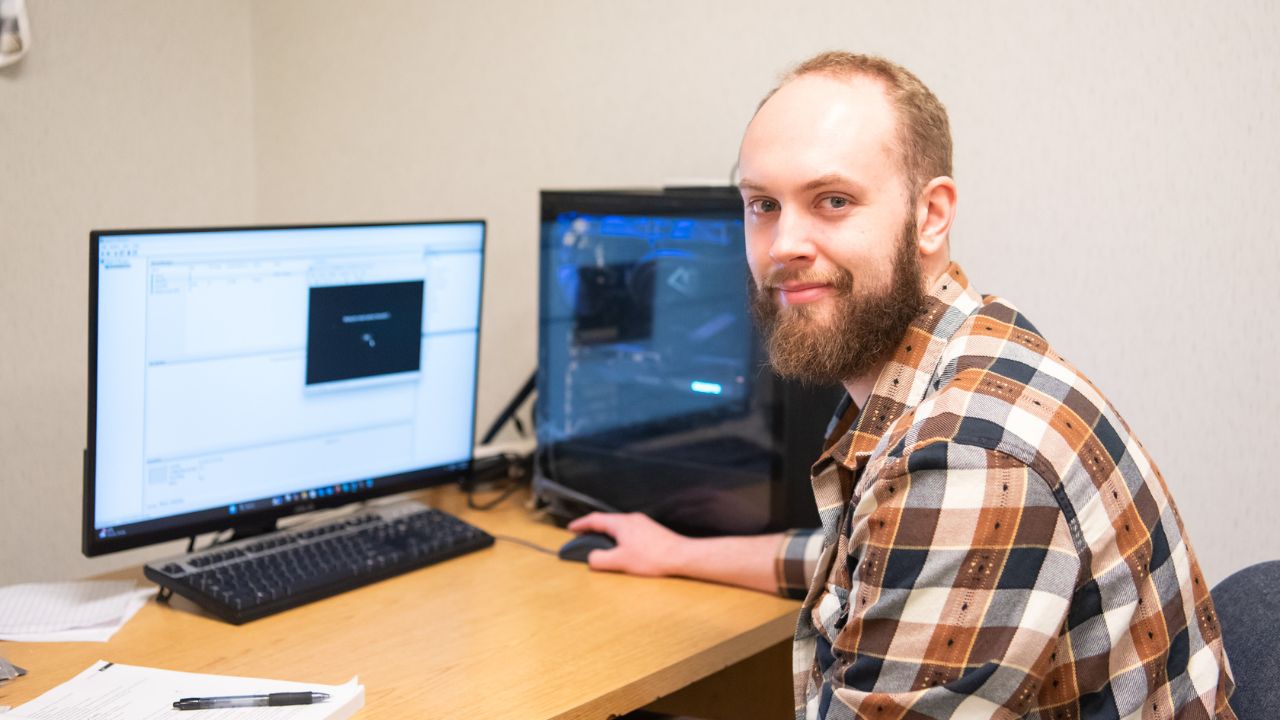
Penn Commercial’s Information Technology Systems – Network Administration program teaches you how to build, configure, manage and troubleshoot the networks and IT systems that keep organizations connected.
In 18 months, you’ll progress from computer hardware, operating systems and networking fundamentals into servers, Linux, cloud technologies, Cisco network infrastructure and enterprise networking. Training takes place on campus in Washington, PA, with supervised lab time built into every technical course.
Your final quarter is a 360-hour externship where you’ll have the opportunity to apply what you’ve learned in a professional environment.
Before you can manage a network, you need to understand the computers, operating systems and technologies connected to it.
You’ll work with computer hardware and desktop and server operating systems including Windows, macOS and Linux. You’ll build and configure a PC, install its operating system and applications, and learn how hardware and software work together.
Virtualization coursework introduces VMware vSphere and Microsoft Hyper-V as you create and manage virtual machines, virtual networks and virtual storage.
You’ll also develop supporting knowledge in programming, database management, IT service delivery and ITIL principles, giving you a broader understanding of the technology and services that modern networks support.
Networking begins in your first quarter and continues throughout the program.
You’ll learn how networks are designed and connected, including routing, switching, IP addressing, protocols and troubleshooting. As your training progresses, you’ll work with network operating systems and learn how network infrastructure is configured and managed across on-premises, cloud and hybrid environments.
Linux coursework gives you experience configuring and troubleshooting network services, firewalls, remote access and network monitoring.
Network Security I is also part of your first quarter. You’ll be introduced to protecting network communications, strengthening network defenses, safeguarding DNS, reducing common network threats and protecting digital privacy. Security is taught as an important part of administering networks responsibly.
Later in the program, you’ll move into the technologies used to administer larger and more complex networks.
Network Infrastructure Cisco introduces the installation, configuration and troubleshooting of network devices using Cisco’s command-line interface. You’ll work with IPv4 and IPv6 addressing and subnetting, VLANs and trunking, routing with OSPF, access control lists and introductory network automation.
Server Applications develops skills in server administration, storage, virtualization, networking, backups, disaster recovery and troubleshooting.
Network Enterprise expands into larger business networks, including software-defined networking technologies such as SD-WAN and SD-Access, Quality of Service and network automation.
You’ll also study cloud computing and cloud security, wireless networking and project management. Artificial Intelligence and Machine Learning Fundamentals provides additional exposure to AI and machine-learning concepts, applications and ethical considerations.
The program includes the cost of two vendor-neutral CompTIA exams. Approved exam options include CompTIA A+, Network+, Security+ and Server+, allowing students to select exams that align with their career goals.
CompTIA certifications are awarded by CompTIA upon successful completion of the applicable certification requirements.
Network administration is learned by doing. Every technical course in the program includes supervised lab time, totaling 360 hours of technical lab experience before the externship.
Throughout the program, you’ll build, configure and repair PCs, create and manage virtual machines using VMware vSphere and Microsoft Hyper-V, configure network services in Linux and use Cisco’s command-line interface to configure and troubleshoot network devices, VLANs and routing.
Server coursework also emphasizes troubleshooting and performance-based tasks, helping you apply technical concepts and practical problem-solving to real-world scenarios.
Classes meet on campus in Washington, PA, Monday through Thursday during daytime hours.
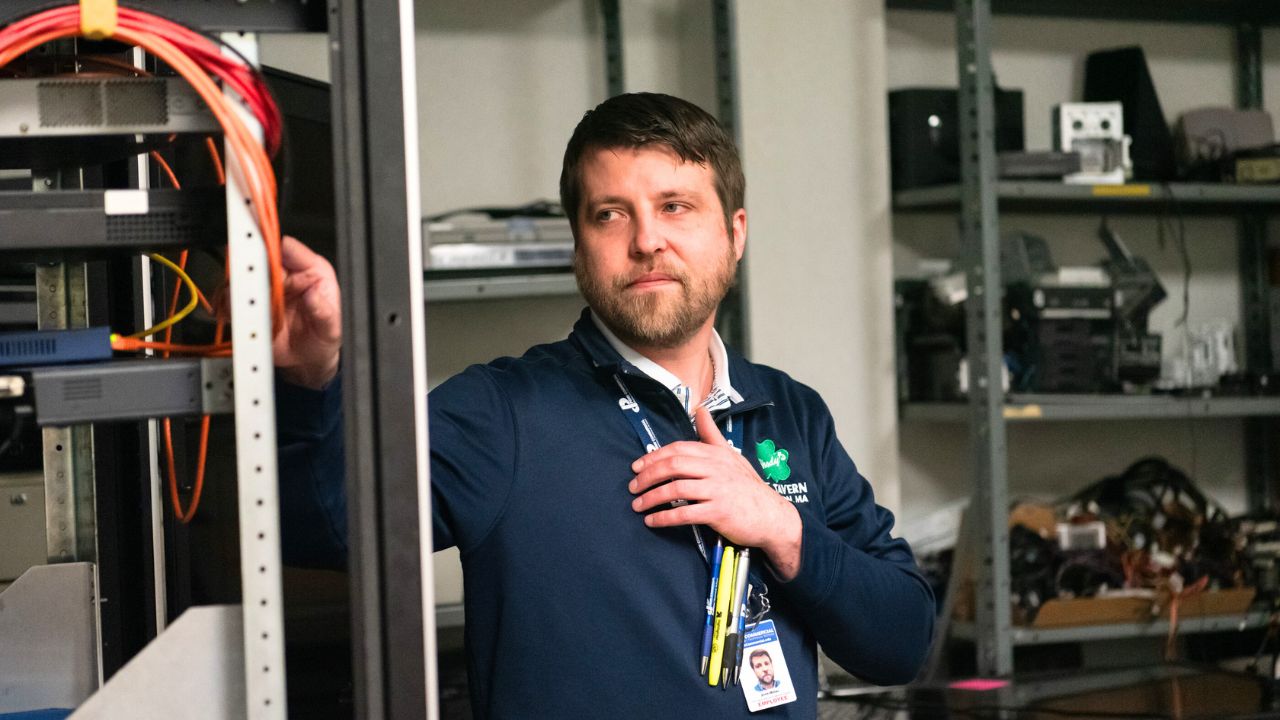
Your sixth and final quarter is a 360-hour, 12-credit externship focused on applying your training in a professional environment.
You’ll spend at least 30 hours per week completing new tasks related to computer networking while combining classroom knowledge with career-related experience in network administration.
By this point, your coursework has progressed from hardware, operating systems and networking fundamentals into Linux, Cisco networking, servers, cloud technologies and enterprise networks. The externship gives you the opportunity to bring those skills together in a workplace setting.
The 12 externship credits are included in the program’s 105 total quarter credits.
Network Administration coursework is designed to develop the technical skills used to configure, manage and troubleshoot computer networks and IT infrastructure.
The program also includes coursework in technical communication, oral communication, human relations and workplace ethics, along with Career Development in the fifth quarter.
Penn Commercial graduates have gone on to work for employers across the region, including:
Students can find job placement assistance with services like job fairs, career counseling, interviewing workshops, job listings, resume assistance, employment newsletters and externships through our dedicated Career Services Department.
Penn Commercial’s campus in Washington, PA serves students from communities throughout southwestern Pennsylvania and surrounding areas.
Cities and towns in southwestern Pennsylvania: Pittsburgh Washington Claysville Taylorstown East Finley West Finley Prosperity Wind Ridge Nineveh Waynesburg Dunns Station Jefferson Carmichaels Rices Landing Millsboro Fredericktown Vestaburg Marianna Amity Laboratory California Belle Vernon Charleroi Donora Monongahela Bentleyville Cokeburg Eighty Four Glyde South Strabane North Strabane Wylandville Wolfdale Arden Mapletown Greensboro Dilliner Davistown Bobtown Spraggs Holbrook Woodruff Sycamore Clarksville Ronco McClellandtown Cardale Smock Grindstone Brownsville Meadowlands Avella Woodrow Houston Canonsburg Hendersonville McMurray Finleyville Venetia South Park Bethel Park Upper St Clair Mt Lebanon Cecil Atlasburg McDonald Bulger Burgettstown Oakdale Imperial Cuddy Bridgeville Nevillewood Carnegie Green Tree Dormont Castle Shannon Brentwood Pleasant Hills Jefferson Hills Clairton McKeesport West Mifflin Thompsonville Muse Peters Township Hickory Midway Gastonville Presto Noblestown Broughton Whitehall Courtney New Eagle Ginger Hill Glyde Scenery Hill Meadowlands Rea Joffre Rennerdale Eldersville Crafton McKees Rocks Kennedy Stowe Moon Coraopolis Mt Oliver Baldwin Elrama Webster Monessen Uniontown Garards Fort Wiley Ronco New Freeport Aleppo Mt Carmel Graysville Rogersville Mather Crucible Luzerne Williamstown Brier Hill Perryopolis Fayette Ciry Stockdale Scott Township Ingram Robinson Frankfort Springs West Alexander
Cities and towns in north West Virginia: Wheeling Weirton Arnold Rockdale Wellsburg Bethany West Liberty Triadelphia Valley Grove Eden Clinton Overbrook Allendale Sherrard Moundsville New Vrindaban Dallas Follansbee New Cumberland New Manchester Sun Valley